Discover the Charm of Hello Olive: A Designer's Font Guide
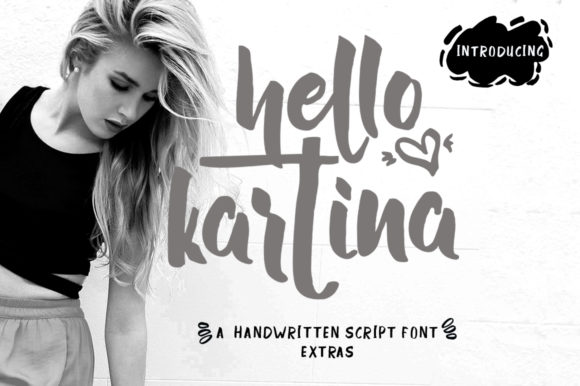
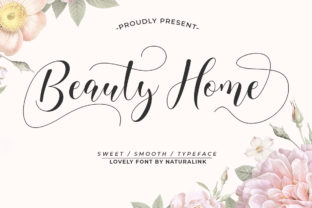
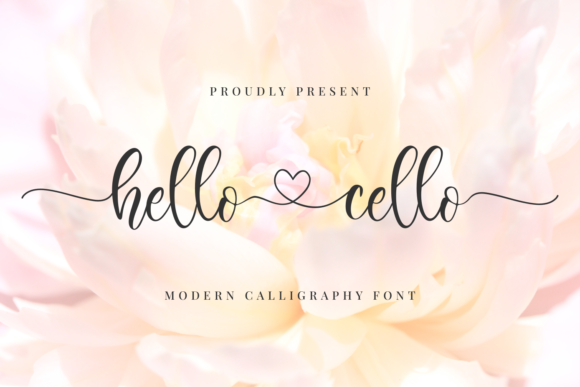
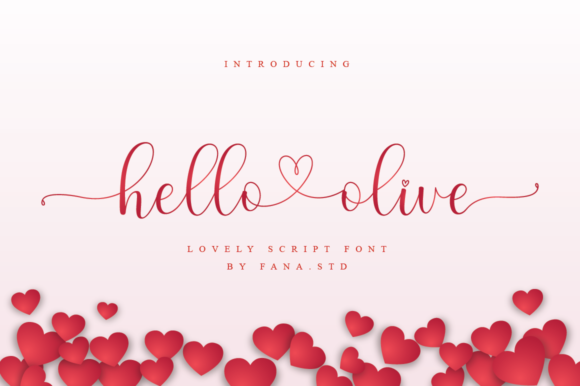
In the world of digital design, the right typeface can transform a simple message into a heartfelt invitation, and few capture that essence quite like Hello Olive. This sweet, soft, hand-lettered handwritten font immediately infuses projects with an authentic, personal feel, making it an invaluable asset for creators seeking genuine connection. Its flowing, organic strokes are more than just letters; they are a design choice that communicates warmth, approachability, and artisanal quality, perfect for cutting through the noise of overly polished, generic graphics.
The Role of Authentic Typography in Modern Branding
Effective visual communication hinges on authenticity. In an era saturated with digital content, audiences crave realness. A font like Hello Olive serves as a powerful tool in your graphic design arsenal to achieve this. It excels in creating a distinct brand identity that feels human and relatable. When used thoughtfully, it strengthens visual hierarchy by providing a clear contrast to cleaner, sans-serif body text, guiding the viewer’s eye to key messages, calls to action, or brand names. This strategic use of typography is fundamental to professional presentation and impactful branding.
Practical Applications Across Creative Projects
The versatility of a hand-lettered font extends across numerous design disciplines. Its inherent charm makes it particularly effective for projects where emotion and personality are paramount.
- Marketing & Social Media Graphics: Elevate your digital marketing by using Hello Olive for eye-catching social media posts, Instagram stories, or Facebook ads. It adds a personal touch that boosts engagement, making promotional content feel less like an advertisement and more like a note from a friend.
- Print & Editorial Design: This font is a natural fit for beautiful stationery art, wedding invitations, and greeting cards. In editorial design, it can be used for pull quotes, chapter titles, or magazine headers to add a layer of visual interest and break up dense text layouts.
- Packaging & Product Design: For packaging design, especially in artisanal, boutique, or eco-friendly markets, Hello Olive can communicate handmade quality and care. It helps products stand out on the shelf by conveying a story before the customer even reads the label.
- Digital Products & UI Elements: While not suited for body copy in UI design, it can be used sparingly in web design for decorative elements, hero section quotes, or digital product covers to establish a specific, welcoming mood.
Tips for Integrating Hand-Lettered Fonts Effectively
Successfully incorporating a script font like Hello Olive requires a balanced approach. Its expressive nature means it should be used as an accent, not the foundation. Consider these design workflow principles:
- Prioritize Readability: Always test your text at various sizes and on different backgrounds. Ensure sufficient contrast and clarity, especially for critical information.
- Maintain Visual Hierarchy: Pair it with a simple, neutral font for body text. This creates a clean, modern aesthetic where the handwritten font commands attention without overwhelming the design.
- Align with Audience Expectations: Ensure the font’s style matches your brand’s voice and your audience’s expectations. It’s ideal for brands targeting a demographic that values creativity, warmth, and authenticity.
- Check Licensing & Scalability: Always verify the font’s licensing for your intended use (commercial projects, merchandise, etc.). Also, consider how it renders at very large or very small scales for different applications.
Ultimately, the power of a resource like Hello Olive lies in its ability to bridge the gap between digital efficiency and human connection. In a thoughtful design workflow, selecting the right creative assets is not merely an aesthetic decision but a strategic one. Quality typography and intentional visual elements are the building blocks of compelling communication, ensuring your projects are not only seen but felt, leaving a lasting impression that enhances both user experience and brand perception.